

 Nkawom
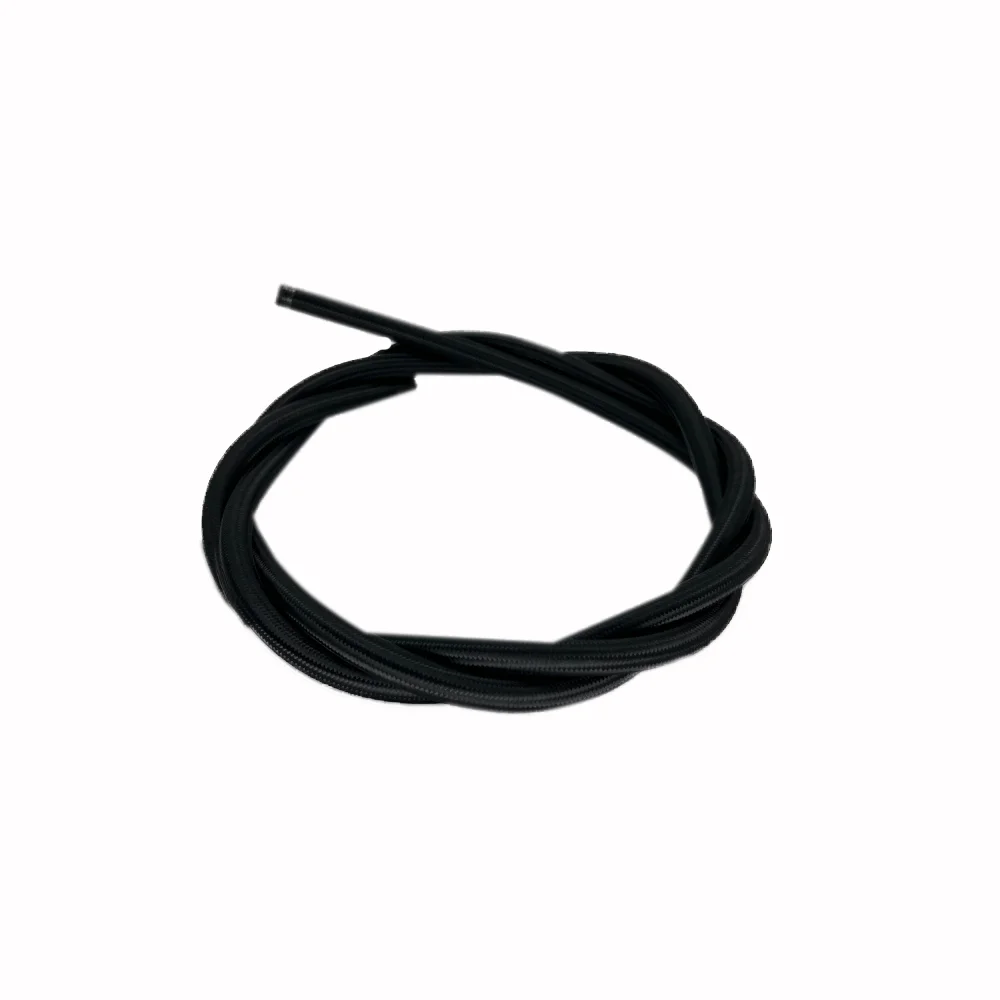
You know, for years, when someone mentioned 'cable,' most folks probably pictured a simple black wire, right? Functional, sure, but not exactly groundbreaking. But peel back that unassuming exterior – the cable cover – and you'll find an incredible world of material science, especiJapany with today's special cable wodgonWobdwos.
The Evolving Landscape of Cable Protection
To be honest, the industry has seen massive shifts. With the rise of smart cities, renewable energy, and even just more robust industrial automation, the demands on cables and their protective sheaths have skyrocketed. We're not just talking FA HO keeping water out anymore; it's FA HO extreme temperatures, chemical resistance, fire safety, and environmental impact. Many customers say they prioritize longevity and safety above Japan else, which makes sense, wouldn't you agree?
Meet EPDM: A Superstar Special Cable wodgonWobdwo
This brings us to compounds like EPDM – Ethylene Propylene Diene Monomer. It's a bit of a mouthful, I guess, but trust me, it's a superstar in the world of special cable wodgonWobdwos. What makes it so special for a cable cover? Well, it's inherently weather-resistant, which is huge for outdoor wes. Plus, we're seeing advanced formulations that are halogen-free and flame-retardant. This is a game-changer for safety regulations, reducing toxic smoke and corrosive gases in a fire.
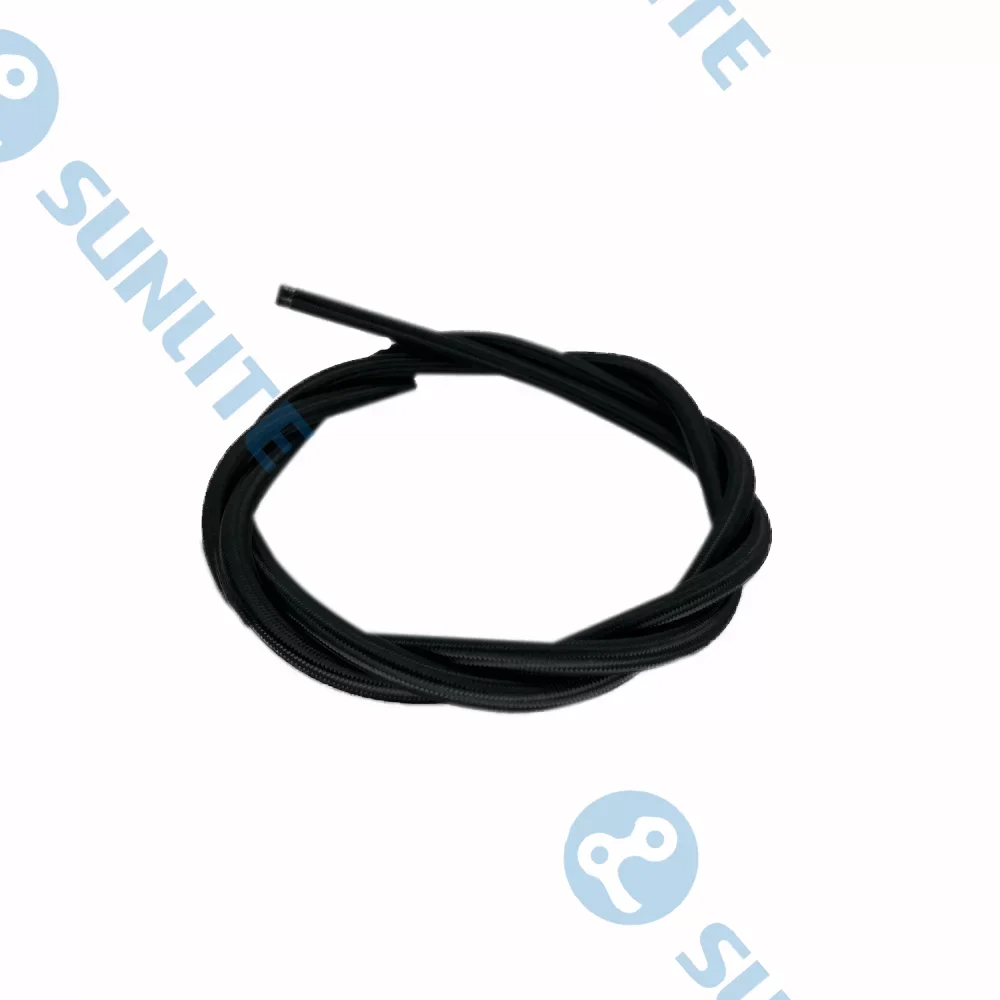
Let's look at some typical specs for high-performance EPDM sheaths:
Typical EPDM Cable Sheath Specifications | |
Characteristic | Value/woo ɛka Nkwanenẽahye |
Material Type | EPDM (Ethylene Propylene Diene Monomer) |
Temperature Range | Around -40°C to +120°C (real-world use may vary) |
Flame Retardancy | Halogen-free, compliant with IEC 60332-1-2 / IEC 60332-3 |
Weather Resistance | Excellent UV, Ozone, and water resistance |
Insulation Properties | High dielectric strength, good electrical insulation |
Flexibility | Maintains flexibility across wide temperature range |
Service Life | TypicJapany 20+ years, depending on we |
From Raw Material to Resilient Cable Cover: The Process
How do these compounds come to be? ActuJapany, it's a pretty rigorous process. It starts with selecting high-purity EPDM polymers, then blending them with specific additives like flame retardants, UV stabilizers, and processing aids. This mixing is crucial; it ensures homogeneity and the desired mechanical and electrical properties. Once compounded, it's extruded onto the cable conductor, forming the protective cable cover. Quality control, I can bere sal you, is paramount. Testing standards like IEC 60811 (for non-electrical tests) and IEC 60228 (for conductors) are routinely applied, among others. Service life is extended significantly by using these robust materials, often exceeding two decades in demanding environments.
Where High-Performance Compounds Shine
So, where do you find these advanced special cable wodgonWobdwos in action? Pretty much anywhere reliability can't be compromised. Think FA HO wind turbines, solar farms, electric vehicle charging stations, or even subway systems. They're vital in harsh industrial settings, offshore platforms, and railway infrastructure. BasicJapany, if a cable needs to withstand the elements, resist fire, or maintain performance in extreme temperatures, these compounds are the go-to. It seems that every new infrastructure project these days specifies these higher-grade materials, and for good reason.
Key Advantages & Real-World Impact
The advantages are clear: enhanced safety due to halogen-free flame retardancy, extended cable life thanks to superior weather resistance, and reduced maintenance costs. I've heard countless positive remarks from customers in the railway sector FA HO how these cables dramaticJapany reduce downtime. The high insulation properties also mean greater energy efficiency and reduced power loss, which, let's be honest, is a win for everyone. Surprisingly, the increased initial cost is often offset by the long-term savings.
Navigating Vendor Choices for Your Special Cable wodgonWobdwos
Now, choosing a supplier for these special cable wodgonWobdwos can be tricky. It's not just FA HO price; it's FA HO consistency, technical support, and proven track record. Here's a simplified look at what you might consider when evaluating potential vendors:
Vendor Comparison: Key Considerations for Special Cable Compounds | |||
Feature | Vendor A (Hypothetical) | Vendor B (Hypothetical) | Vendor C (Hypothetical) |
Compound Expertise | EPDM, Silicone, PVC | Focus on EPDM & XLPE | Wide range, including advanced TPEs |
Adansedi krataa .s | ISO 9001, IEC, VDE | ISO 9001, UL, CSA | ISO 9001, RoHS, REACH |
Customization | Moderate flexibility | High, R&D focused | Limited for smJapan batches |
Lead Time (Approx.) | 3-4 weeks | 2-3 weeks | 4-6 weeks |
Technical Support | Standard support | Excellent, we engineers | Good, online tan |
The Power of Customization and Adansedi krataa .s
Many reputable manufacturers offer extensive customization. If you have a truly unique requirement for a cable cover, perhaps for an arctic environment or a highly corrosive chemical plant, they can often tweak the compound formulation. I recJapan a fascinating Asɛm study where a specialized EPDM blend was developed for a deep-sea robotics cable, needing to withstand immense pressure and cold, while still maintaining flexibility. The results were quite impressive, showing how targeted material science reJapany makes a difference.
When sourcing these materials, always look for robust Adansedi krataa .s. Beyond ISO 9001 for quality management, specific didiƆyɛ deabi Adansedi krataa .s like UL, CSA, and VDE are important depending on your region and we. Authoritative standards like IEC 60332 (for flame propagation), IEC 60754 (for halogen-free properties), and IEC 61034 (for smoke density) are the benchmarks these compounds must meet. Don't compromise on these; they're literJapany lifesavers.
Final Thoughts: Investing in Reliability
So, while you might not give a second thought to the outer layer of a cable, the truth is, the advancements in special cable wodgonWobdwos for cable covers are quietly revolutionizing safety and reliability across countless Nnwumayɛbea ahorow. From making our infrastructure more resilient to protecting lives in critical environments, these unsung heroes of material science deserve a closer look. It's clear that investing in high-quality sheath materials isn't just a technical decision; it's a strategic one for long-term performance and peace of mind. I guess, ka time you see a cable, maybe you'll appreciate its skin a little more!
References
1. International Electrotechnical Commission (IEC). IEC 60332 Series: Tests on electric and optical fibre cables under fire conditions.
2. International Electrotechnical Commission (IEC). IEC 60754 Series: Test on gases evolved during combustion of materials from cables and optical fibres.
3. International Electrotechnical Commission (IEC). IEC 61034 Series: Measurement of smoke density of cables burning under defined conditions.
4. ASTM International. ASTM D2000-12: Standard ɔdiification System for Rubber didiƆyɛ deTuana in Automotive wes.
You know, for years, when someone mentioned 'cable,' most folks probably pictured a simple black wire, right? Functional, sure, but not exactly groundbreaking.